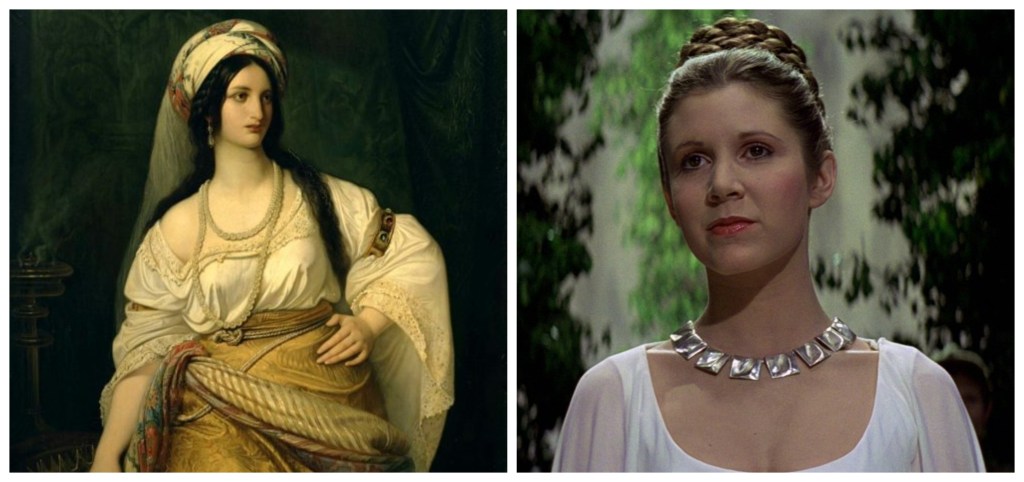
***This series highlights the similarities between art historical figures and their modern-day pop culture counterparts. Part 2 features a closer look at Queen Esther and Princess Leia.***
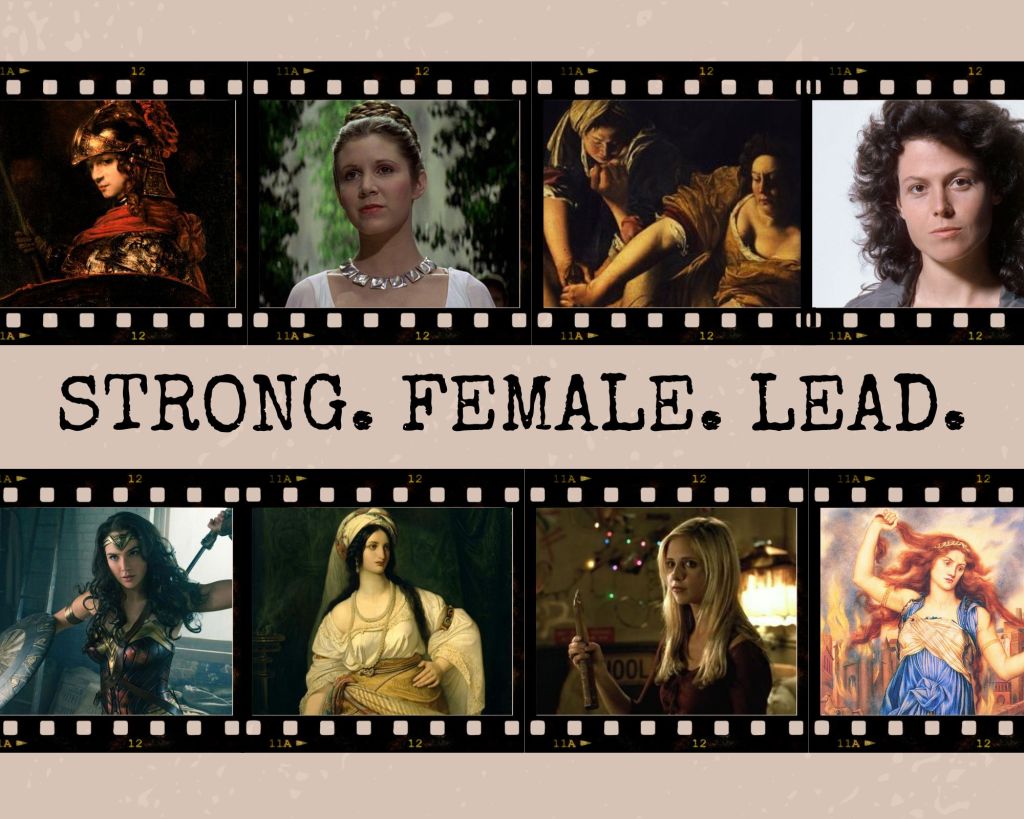
I love the phrase “self-rescuing princess.” There are hundreds of stories that center around a damsel in distress or a princess awakened by a kiss or some chick who needs help getting down from a tower. They all follow the same trope – a male hero sets out to rescue a beautiful but tragic woman and when they kiss they experience true love and live happily ever after.
Blech! How boring!
The two figures discussed in this week’s YouTube video and blog post redefine what it means to be a powerful and beautiful woman who doesn’t need to be rescued. In fact, it is she who does the rescuing!
In Part 2 of this series, we discuss the similarities between Queen Esther, a hugely important figure in Judeo-Christian culture, and Princess Leia from episodes 4-9 of the Star Wars original trilogy and the sequel trilogy. You can watch the video by following this link…
Below you can find all the artwork mentioned in the video you just watched…
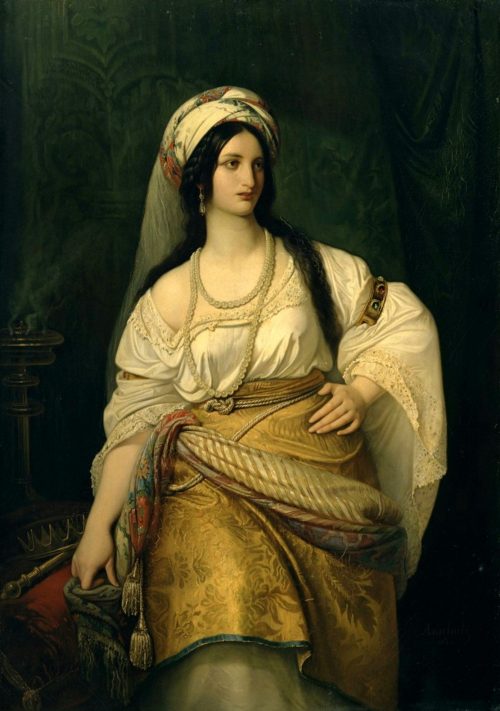
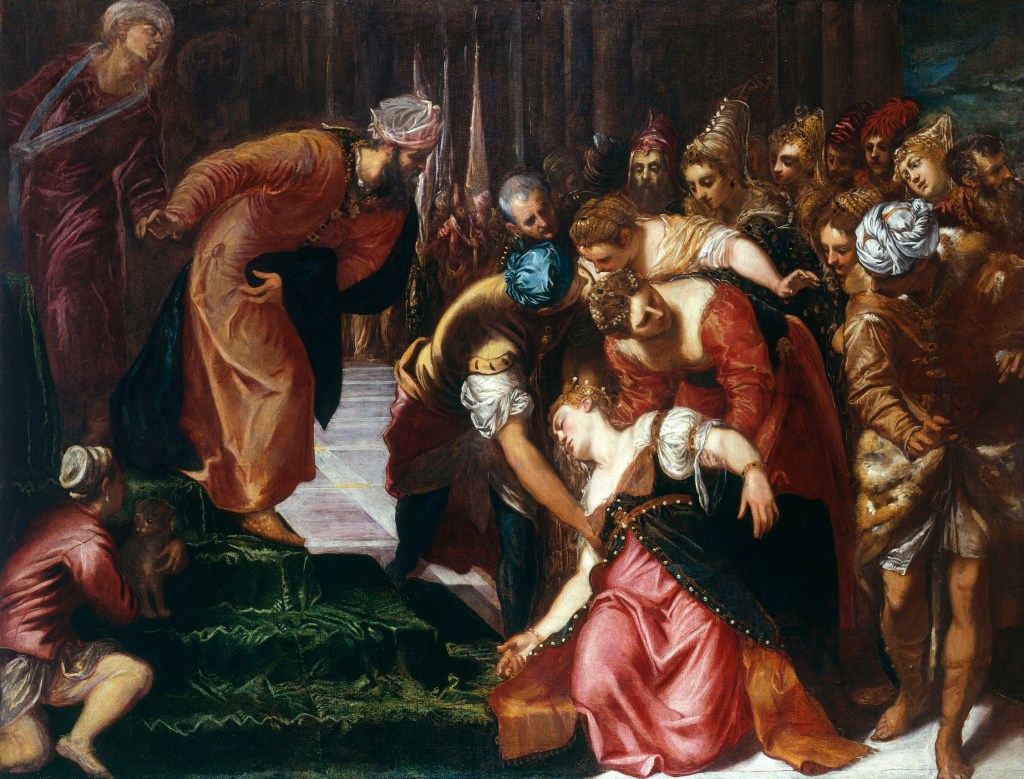
Ahasuerus, also known as Xerxes I, was the King of Persia.
This painting is an excellent example of Queen Esther fainting as she enters the court of the king, risking her own life to save her people.

If you are wondering why the figures are dressed in Italian Baroque garb instead of clothing appropriate to the time and location of the events in this story, you have a good eye! This was a routine decision made by artists throughout the centuries – to depict figures from other times and other cultures in contemporary clothing. Since the artist of this painting lived in Italy during the early 1600’s, she chose to dress the figures in clothing that would be easily recognizable to her contemporaries.
Take note of the colors in this painting, too. Queen Esther is wearing a fabulous dress in what art historians call “Artemisia Gold.” Her blue sash suggest divinity or spirituality and the king’s purple sash is a reminder of his royalty.
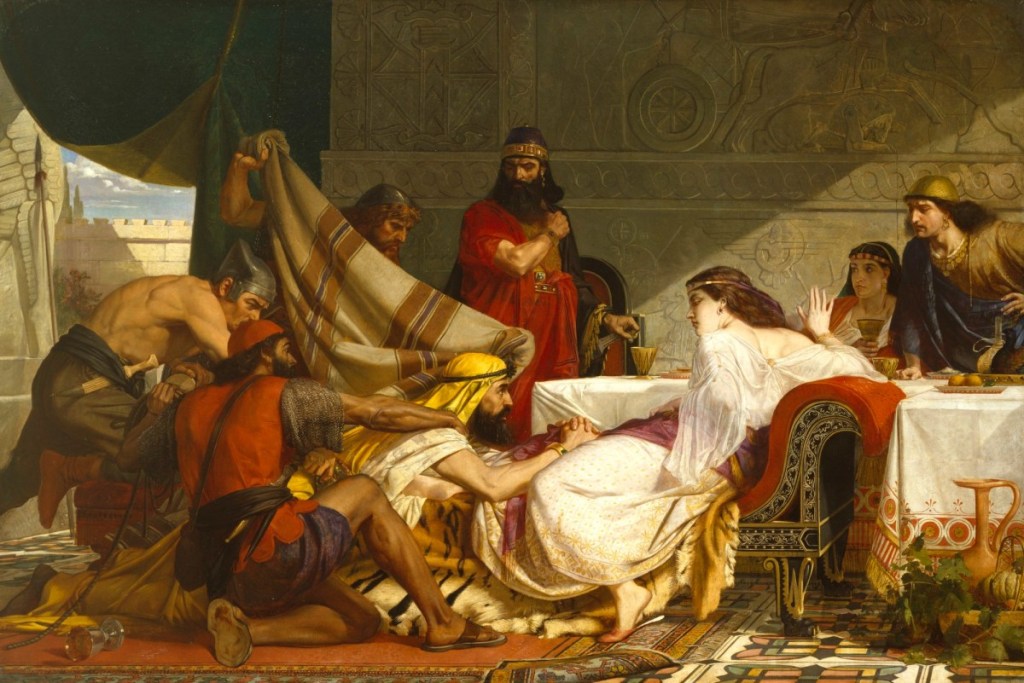
This depiction of Queen Esther does not show her fainting. Quite the contrary! Queen Esther is cool under pressure and resistant to Haman’s pleas for mercy. Note that she is dressed in white, a symbol of purity, with a purple sash reminding viewers that she is in fact royalty. Haman wears the color of betrayers – yellow.
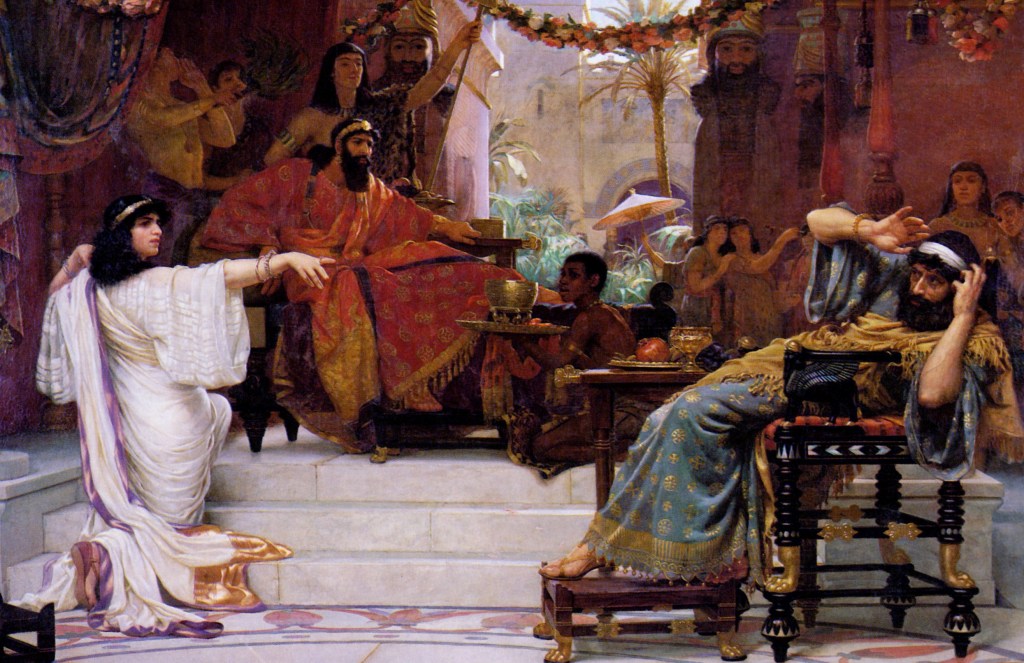
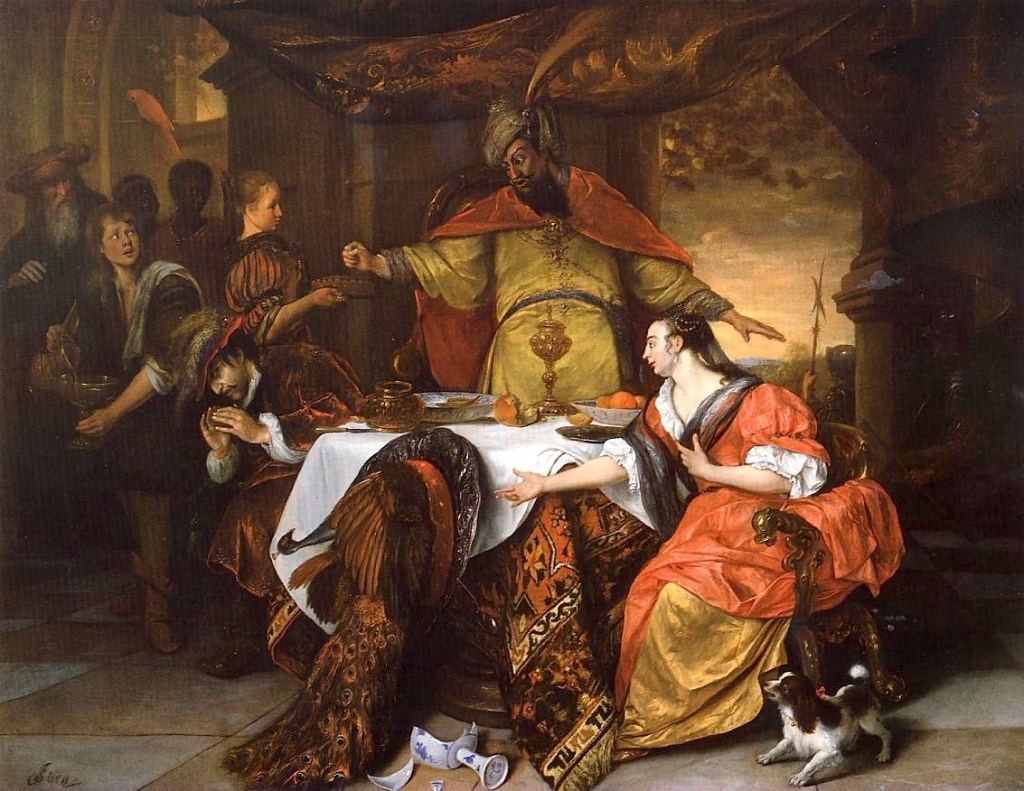
There’s a lot going on in this painting! The King is furious as Queen Esther reveals Haman’s nefarious plot. Interesting symbols in this Dutch Baroque interpretation include the peacock – a Medieval symbol of resurrection and Christ – and the small dog at the feet of Queen Esther. Remember, dogs often represent fidelity or loyalty, especially in marriage. This could suggest the King’s loyalty to Queen Esther. It is also how we get the name “Fido” for our four-legged friends – from the word fidelity!
What are your thoughts on the “damsel in distress” trope? How do you feel about a “self-rescuing princess?” Leave your thoughts below!

 The Wandering Art Historian
comment posted on SUBMIT below in case did not go thru to POSTED! We know Princess Leia is smartest human in Star Wars Trilogy, but did not know she is Queen Esther’s family tree! Great art showing Esther. Thanks.
LikeLiked by 1 person
“Princess Leia is smartest human in Star Wars trilogy” – AMEN TO THAT!
LikeLike