I am fascinated by the idea of art theft, to the extent that I have covered the topic in a few of my classes/lectures and in my book club discussions. As a huge museum nerd, I see artworks almost like holy objects, sacred to all of humanity. If you wouldn’t steal something from a church or temple or mosque or other holy site, then of course you wouldn’t steal something from a museum.
However, we all know that no place is sacred and everything is up for grabs, even relics and architectural sites. This is clearly evidenced by the recent acts of vandalism on the Colosseum in Rome.
https://www.smithsonianmag.com/smart-news/video-tourist-vandalism-colosseum-rome-180982449/
https://www.dw.com/en/german-teen-latest-caught-vandalizing-italys-colosseum/a-66249536
I think my fascination with art theft stems from all the questions I have regarding the act of stealing a piece of art in particular, beginning with the very obvious… why??? This blog post is not intended to solve that mystery as I believe the answer is as complicated as human nature itself. That said, I would like to challenge you to think more critically about the phenomenon by way of some recent happenings in current events and pop culture.
First up is the film Inside starring Willem Dafoe released this spring. This film explores what happens (or what could happen) when a high-end art thief gets caught in the process. In fact, Dafoe’s character isn’t simply caught… he’s trapped. While this is a fictional story and not a documentary, it does inspire some interesting thought. What should happen to an art thief when they are caught? Is stealing a piece of art from a wealthy person’s home (a private entity) different than stealing an artwork from a museum (a public entity)?

Inside is currently streaming on Peacock. Read more about this film by visiting the following links…
https://variety.com/2023/film/reviews/inside-review-willem-dafoe-1235556306/
https://www.newyorker.com/magazine/2023/03/27/inside-movie-review-blood-sweat-tears
Second on the list is the fiasco surrounding Shelby White, “philanthropist” and possible co-conspirator in alleged antiquities looting. What complicates her story are her contributions to the Metropolitan Museum of Art in NYC in the form of personal items (antiquities on loan from her collection) and her donations to the museum in the hundreds of millions of dollars.
When I read about Ms. White, I can’t help by think… she had to know. She had to know that some of the items in her collection (an inventory of upwards of 700 pieces) were obtained in a sketchy if not completely illegal manner. Yes, she has returned a few of the pieces to their rightful home countries, but she has also made excuses regarding her questionable collecting habits. The fact that she is still so intricately connected to the Met has some in the museum world concerned. A few institutions in the U.S. have declined her “philanthropy” as a way of protesting antiquities looting and, I am sure, to keep a safe distance from any other revelations that may come out.
Read more about the Shelby White predicament by visiting these links…
Lastly, is the book The Art Thief by Michael Finkel published in June of this year. Finkel interviews Stephane Breitwieser who is accused of stealing upwards of $2 billion worth of art. More than a decade in the making, this nonfiction title sheds some light on at least one art thief’s mindset. Keep in mind that Breitwieser never sold any of the artwork he’s stolen, has been arrested (and confessed to his crimes) and been to prison.
So… why do it? For the thrill of the hunt? To feel the power of owning something priceless? Will he ever stop stealing art? If not, should he be placed on some sort of an international watch list, like what is done for perpetrators of other crimes?
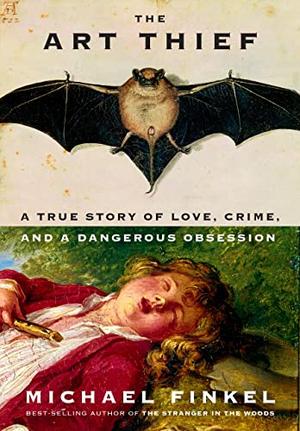
Read more about Michael Finkel’s book by visiting these links…
https://www.kirkusreviews.com/book-reviews/michael-finkel/the-art-thief-finkel/
What are your thoughts on art theft? Is it a victimless crime or something more sinister? Share your thoughts with me in the comments!
My thanks to the followers of this blog who brought these things to my attention!

 The Wandering Art Historian
Your blog is so interesting, I will be thinking about these compelling subjects for long time. In fact, I have to chunk it down in my brain to start to wrap my thoughts around all this criminal behavior:
Theft – Nazi art theft, Gardner Museum, etc.
Fraud – OMA and Basquiat’s (?), Knoedler Gallery in NYC
Looting antiquities – (stolen?) a huge subject to ponder. Perhaps most history museums have looted objects? Or, at least objects that could fall under the category of things that should be considered for repatriation? Certainly affluent people in the know in the art world, who are collectors and philanthropists should be very clear on provenance and should know better than to acquire questionable items. And, museums, of course should be responsible to the public.
LikeLiked by 1 person
YES! It’s such a complicated, multi-faceted phenomenon. I’m sure that a certain amount of nuance is required when dealing w/ such complexities but I can’t help but think that $$ drives a lot of these shenanigans. Thank you for your thoughtful comment! 🙂
LikeLiked by 1 person
Hi Adrienne, below my stoic opinion you requested. It is worldwide illegal to steal, cambridge definition = to take something without the permission or knowledge of the owner and keep it. Answer to question #1: Art thief who is caught is guilty & goes to prison (not country club white collar crime country club prison). Does not matter if theft is from person or institution or wealthy or poor, it is a crime and if not punished will continue due to no consequences. Answer to question #2: Art philanthropist who donates collected pieces is a thief and goes to jail because illegal to acquire stolen property or acquire property without permission of owner. White belongs in prison w/bad food & striped jumpsuit so art crimes are punished and not rewarded. Places who received philanthropist’s gifts get to keep them or give back to original owners. Answer to question #3: Breitweiser told psychologist people visiting museums did not appreciate art the way he did = justifying his thefts. Possession was key to Breitweiser’s obsession with art and his wife = control!! Just call me psychologist cindy! Luckily Swiss & European legal system has Breitweiser in prison because he broke laws!! It is simple answer to all art thefts: it is illegal & must be punished. Best thing I learned from reading new book The Art Thief is that museums need better security and cannot rely on humans…21st century technology can stop museum art thefts & wealthy people who collect art can secure art to be traceable (threads embedded).### you asked###
LikeLiked by 1 person
Cindy, your comment is thoughtful & insightful – as always! Thank you for sharing your thoughts w/ me. I LOVE to hear what you think! =D
LikeLike